
Architecture is not based on Concrete and Steel
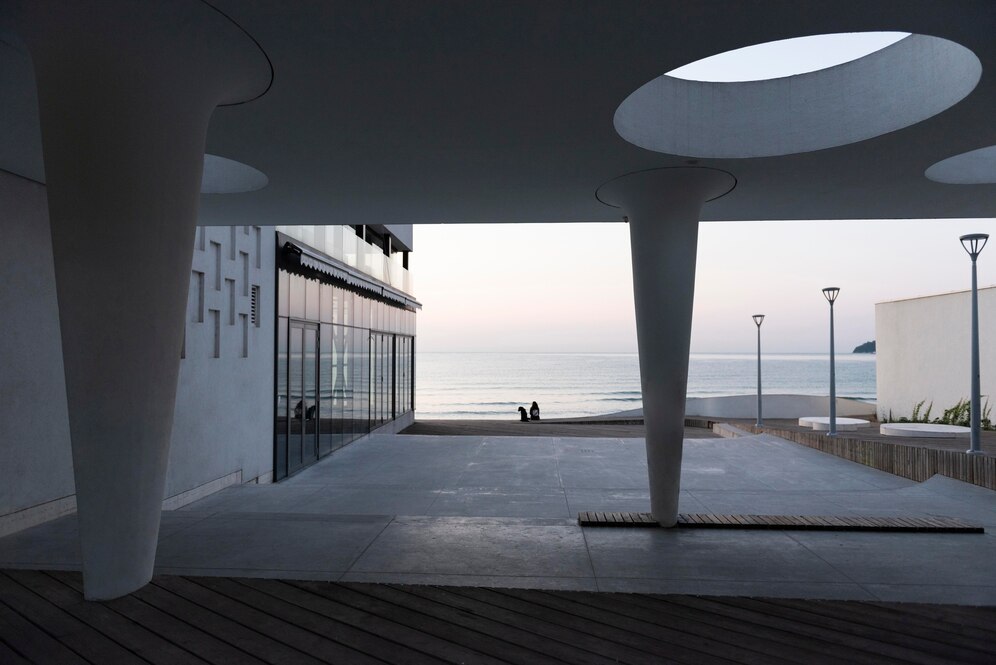
SEARCH Search RECENT POSTS Apartments designed by the leading interior experts Nature inspired design in the heart of a metropolis Architecture is not based on concrete and steel space solutions and small apartment ideas 7 Home Trends That Will Shape Your House In ARCHITECTURE IS NOT BASED ON CONCRETE AND STEEL Human-centered design is paramount in this approach. It involves understanding and prioritizing the needs, desires, and well-being of the people who will inhabit the spaces. This can manifest in various ways, such as designing for accessibility, promoting social interaction through communal spaces, and creating environments that foster mental and physical well-being. Architecture becomes a tool for improving daily life, creating comfort, and fostering a sense of community.Another key element is the integration of natural elements into the built environment. This is not just about adding plants or green spaces, but about creating a harmonious relationship between the built and natural worlds. This can be achieved through biophilic design, which incorporates natural light, ventilation, and natural materials to create spaces that connect people with nature, thereby improving their health and well-being.Architecture must also be culturally and socially responsive. It should reflect and respect the history, traditions, and identity of the community it serves. This includes using local materials, traditional construction techniques, and culturally significant design elements. It also involves designing spaces that can adapt to the changing needs of the community, supporting social dynamics, and fostering inclusivity.Sustainability is a critical consideration in this philosophy. Architecture should minimize environmental impact through the use of renewable resources, energy-efficient systems, and sustainable construction practices. The goal is to create buildings that are not only environmentally responsible but also resilient and adaptable to future changes.The emotional and psychological impact of spaces is another important aspect. Architecture should evoke positive emotions and provide spaces for reflection, creativity, and connection. This can be achieved through thoughtful design choices, such as the use of color, light, texture, and spatial organization to create environments that nurture the human spirit. CATEGORIES & TAGS Architecture (1) Flat (2) Home (1) House (1) Land (2) Property (2) Real Estate (1) Residence (1) RECENT COMMENTS
